While this post is about the best coffee beans, I do realise that “best” is a subjective thing, and that everyone is entitled to have their own preferences. But what I’m talking about here is not the best origins, best coffee varietals, etc., but the best type of coffee. If you’re a bit confused at this point, don’t worry, it’ll all make sense shortly :-).
The Best Coffee Beans are Crapped out of a Cat?

If you ask many people what are the very best coffee beans, you may get a number of wrong (in my humble opinion) answers. The classic example is Kopi Luwak, sometimes called ‘cat poo coffee’. It’s one of the most expensive coffees, which some people will always assume means it must be the best!
But although this coffee has… unusual… production methods, there’s nothing inherently superior about it. Also, some production of this coffee is incredibly cruel, with naturally reclusive and solitary civets caged in close proximity and fed nothing but coffee cherries to maximise production of the expensive beans. See dark truth behind kopi luwak expensive coffee.
Another thing you might assume means better coffee is the ‘Single Origin’ label. Supermarkets like to use this to add perceived value, but all it actually means is that all of the beans in the bag come from the same origin. That doesn’t tell you anything at all about how good it is!
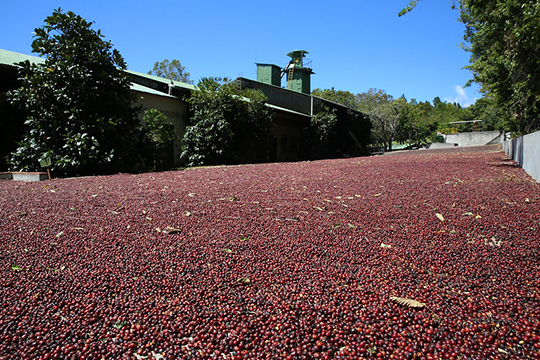
Then there’s ‘100% Arabica’. While most of the best coffee beans are 100% Arabica, not all 100% Arabica meets the threshold for best coffee beans. Some 100% Arabica is, in fact, among the worst quality of coffee!
So where does this come from? Commercially used coffee comes mainly from two parent varieties of coffee: Arabica (which has many sub-varieties, known as varietals) and Robusta. As it happens, a lot of the best coffee beans are 100% Arabica. But just because a coffee is 100% Arabica, doesn’t mean it’s necessarily one of the best.
So, what are the best coffee beans?
There are essentially two types of coffee. ‘Commodity coffee’ and ‘speciality coffee’.
Commodity Coffee – AKA “normal” coffee.
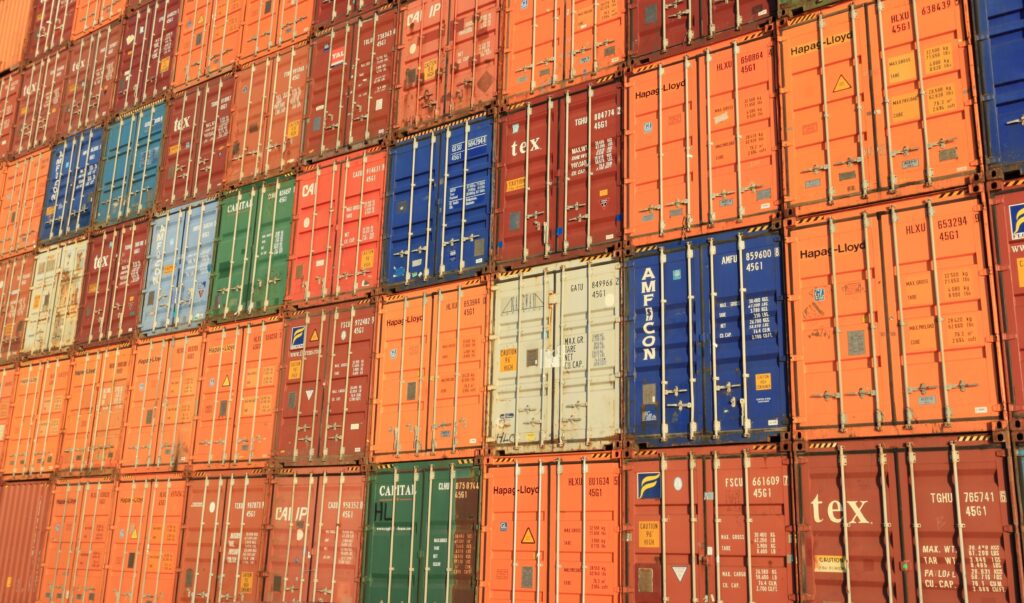
Commodity coffee is intended at every stage of its growth and processing to be as cheap as possible. It tends to grow at lower altitudes (as it’s more expensive to grow and pick coffee beans at higher altitudes), the varietals are chosen for their sturdiness (against adverse weather and leaf rot for instance) and yield, rather than based on taste. They’re purchased and shipped in huge volumes, generally roasted in huge batches, and often roasted to within a smidgen of obliteration, to make sure the batches taste consistent. Consistency is tough to achieve with commodity coffee since the mix of varietals and origins represented by the beans is often changing.
Commodity coffee tends to be sold in supermarkets. You won’t find the date it was roasted, and it’s designed to have a long shelf life. Which means it’s not designed to taste particularly good! The majority of instant coffee is commodity coffee (although a few pioneering speciality coffee firms are starting to create speciality instant). And this is why a lot of people say that “Coffee just tastes like coffee.” They’ve only ever had commodity coffee! Which, yes, doesn’t taste like much.
Speciality Coffee
Speciality coffee, on the other hand, is not just coffee.
Farms that grow speciality coffee are purely focused on quality. The location and altitude, varietals, and processing methods are all chosen to produce the very best tasting coffee beans possible – and speciality coffee farmers have an incentive to do so. It’s not (just) for the love of it; the higher the quality of the coffee, the higher price they will be able to command for it on the market.
Coffee can’t simply be called “speciality” by slapping a label on a bag, as is the case with single origin. To be classed as speciality, it has to have a particular SCA score.
What is an SCA score? Glad you asked. SCA stands for the Speciality Coffee Association, and they’re a group of coffee experts who take responsibility for testing and grading coffees. They grade coffee on a scale of 1-100 based on ten different categories: aroma, flavour, aftertaste, acidity, body, uniformity, balance, cleanliness of cup, sweetness, and then an overall score. For more information, check out what does the SCA score of your coffee mean?. To be classified as a speciality coffee, the coffee has to score a minimum of 80 points. So speciality coffees aren’t just coffees that sell well or cost a lot, they’re coffees that, in an assessment by experts, have met a minimum threshold for quality.
Speciality coffee is also different from commodity coffee when it comes to how it’s roasted.
Most (all, I would imagine) speciality coffee ends up being purchased by speciality coffee roasters, these folk roast in much smaller batches (known as small-batch roasting), they often roast just a matter of days before they dispatch the coffee beans to their customers. This is where you’ll see a ‘roasted on’ date on the packaging. Because speciality coffee is produced with quality in mind rather than longevity, it’s a lot more important to know how long it’s been since the beans were roasted.
So, while many people in the UK think “coffee just tastes like coffee” – these people have their world turned upside down when they’re introduced to speciality coffee! It’s the opportunity to discover a whole universe of different flavours from coffee.
Did you know some coffees smell and even taste like fruits? Some are sweeter than others, some have a milk chocolate or dark chocolate taste. Some even taste wild and strange, with taste notes of tobacco, bourbon, leather & molasses. These flavours and aromas can be subtle, even hard to identify at first, but as people get into speciality coffee and their coffee palate develops, they find that these tastes become much easier to detect.
While all of the above hopefully answers the question of what makes the best coffee beans actually the best, it still doesn’t help you if you’re wondering where to get hold of the best coffee beans. But I can help you there, too :-). See the UK coffee roasters directory.
Life is like a box of chocolates, so join my Brew Time list, subscribe to my YouTube Channel, follow me on Twitter & Instagram, follow the coffeeblog FaceBook page, and that’s all I have to say about that.
The post Best Coffee Beans – Why They’re the Best & Where to Find Them appeared first on Coffee Blog.
By: KevTitle: Best Coffee Beans – Why They’re the Best & Where to Find Them
Sourced From: coffeeblog.co.uk/best-coffee-beans-why-theyre-the-best-where-to-find-them/
Published Date: Mon, 17 Aug 2020 16:44:54 +0000