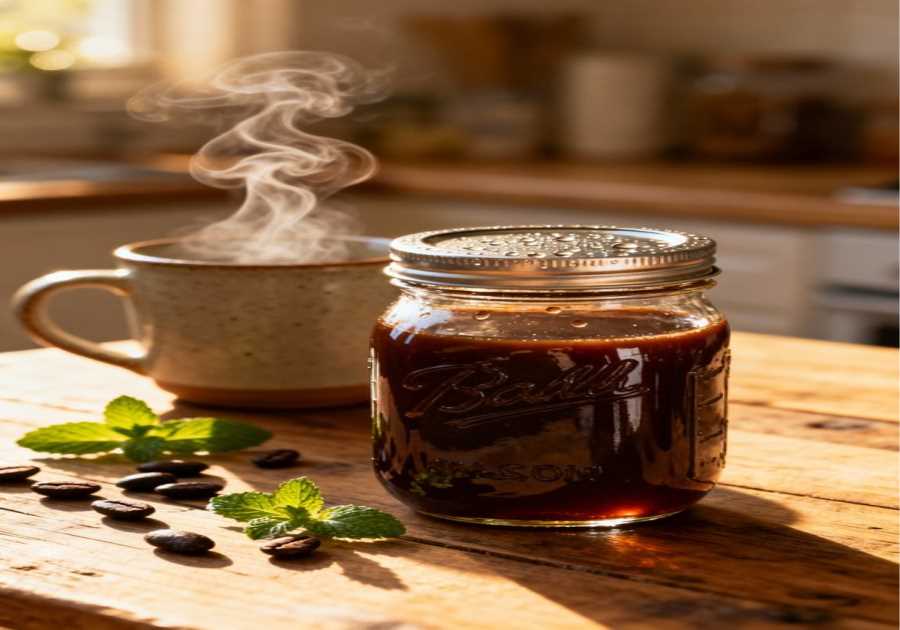
I’m always going on about high quality coffee beans, and I’m sure you’d expect nothing else from a blog about high quality coffee ;-), but something I’ve not really discussed before, is how to check the quality of coffee beans. Unless you’re a Q grader, that is – an expert coffee taster who tastes coffee for the speciality coffee association and decides on the quality (more on that a bit later in this post), how do you know the quality of the coffee beans you’re buying?
If you walk into any supermarket you’ll find an array of coffee beans which are marketed as great quality coffee beans. If you search the web for high quality coffee beans, you’ll find plenty of marketing blurb designed to convince you that this is high quality coffee, but is it, and how would you know?
First of all, I’ll bust some of the myths created by clever marketers for supermarkets and big brands re what makes coffee high quality.
100% Arabica
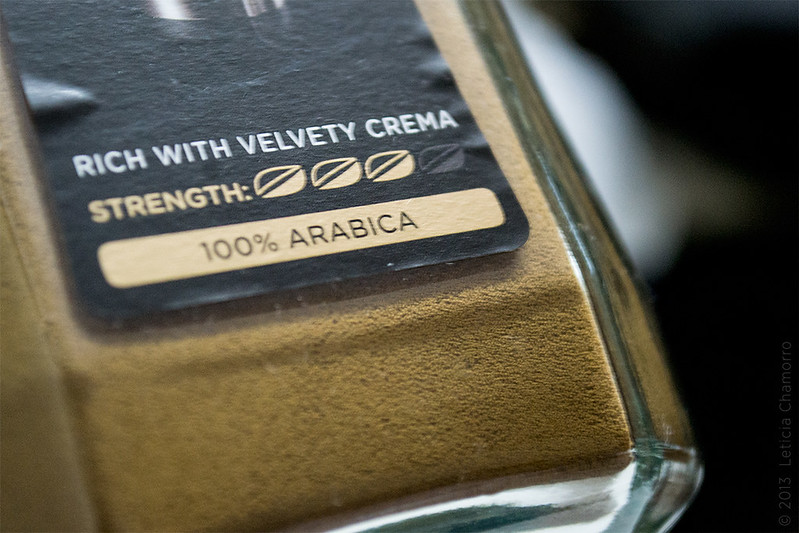
This is something that you’ll see brands boasting about, even on many jars of instant coffee. But is being 100% Arabica really a sign of high quality coffee?
The two main commercially cultivated coffee plant species are Robusta (Coffea canephora), and Arabica (Coffea arabica). Actually, when it comes to Arabica coffee beans, there are lots of sub species that we refer to as varietals.
Robusta is a very hardy plant, as its name (or nickname) suggests. It’s easier and cheaper to grow, pick and process, generally speaking. On its own though, it’s a bit of an acquired taste. It can be very bold, harsh even, so Robusta is usually blended with Arabica.
It’s also worth mentioning that Robusta contains up to double the caffeine content as arabica, and it’s more acidic generally speaking than arabica. If you have issues with acid reflux you may find that steering clear of Robusta will help.
So, many brands of lower cost coffee tend to favour a blend of Robusta (for the price) and Arabica (for the taste). This is certainly the case with brands of instant, and in the UK the big instant coffee brands have promoted the idea that being 100% Arabica is synonymous with quality.
The simple fact is, it doesn’t. There’s plenty of poor quality arabica out there. Just because it says 100% arabica on the bag, doesn’t mean they’re quality coffee beans.
Single Origin
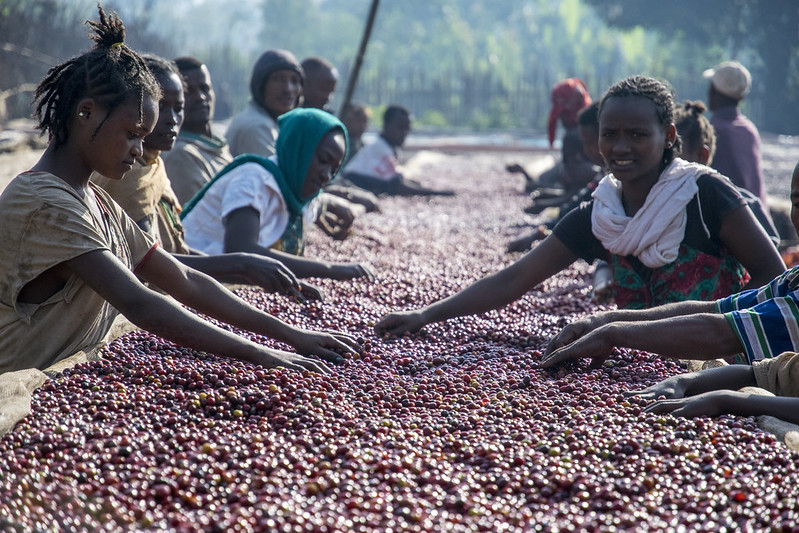
This is another term you’ll see a lot with coffee, and it’s a term which sounds like it indicates quality, but what does single origin mean, and does it really have anything to do with the quality of the coffee beans?
Single origin simply means that all of the beans in the bag have come from the same origin. This term can be used to describe coffee that simply comes from the same region. For example, a single origin Ethiopian coffee will include coffee beans which have all come from Ethiopia. A single origin Honduran will have all come from Honduras.
In the speciality coffee industry, the term single origin is usually used to describe single estate or single farm coffee, but in the commodity coffee world, this phrase is often use to describe the fact that the coffee in the bag simply comes from that particular region.
There’s a huge difference between coffee which comes from a single estate or single farm and coffee that simply comes from the same country or region.
With single farm or single estate coffee, there’s a world of difference when it comes to traceability. You know the exact farm or coop for example that the coffee in your bag came from, and you know the specific characteristics to expect from that coffee and the unique circumstances responsible for them.
So the phrase “Single Origin” doesn’t necessarily tell you anything about the quality of coffee beans.
Roasting Profile
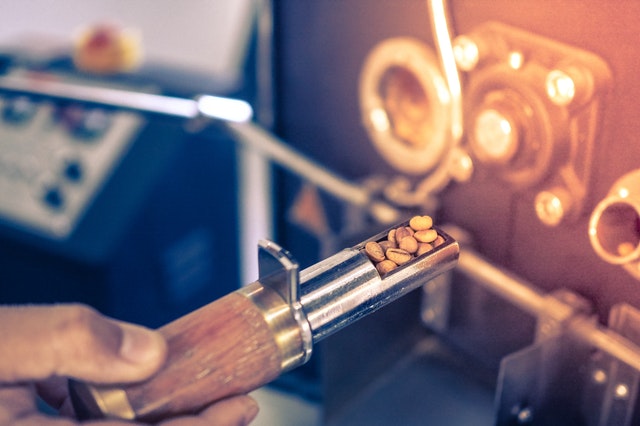
Speciality coffee roasters do what they can to ensure the best possible taste in the cup, and often this results in a light to medium, or medium roast. Some speciality is dark roasted, but there aren’t a great deal of coffees that tend to benefit from being roasted particularly dark.
Lower quality commodity coffee is usually roasted in large batches, and it’s often roasted quite dark. Dark roasting can hide a multitude of taste sins, and it’s also the best way to achieve consistency from batch to batch when roasting huge batches of commodity coffee.
But just because a coffee has been light roasted, or medium roasted, doesn’t tell you anything about the quality of the coffee beans.
So basically, what I’ve said so far is that we have no way to know the quality of the coffee beans we’re buying. But fear not, there are a couple of ways you can check you’re buying good quality coffee beans.
Buy Coffee Beans From the Specialists.
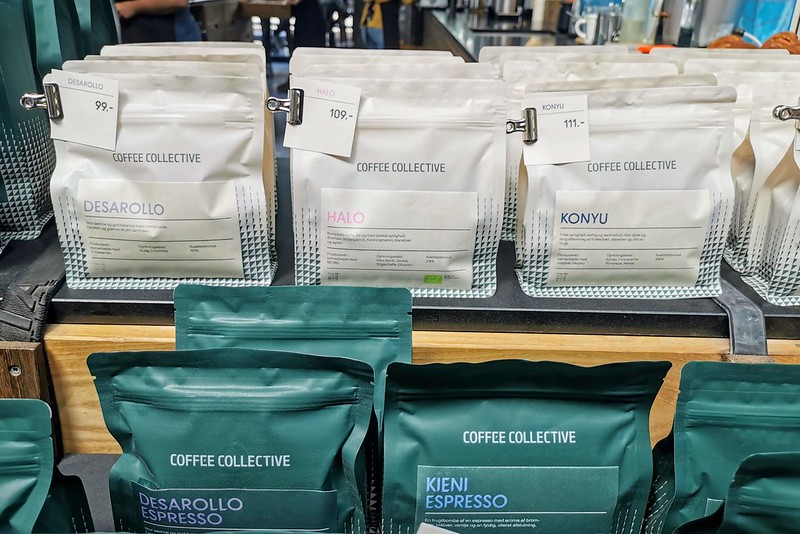
If you buy your coffee beans directly from a small batch speciality coffee roaster, or from a website who specialise in supplying coffee beans – for instance in the UK Blue Coffee Box, Hasbean, Square Mile, even my own firm The Coffeeworks :-), you’re buying coffee beans from coffee specialists, who tend to be really passionate about the quality of the coffee they supply.
Buying coffee beans direct from a roaster or a specialist supplier isn’t the same as buying from a supermarket. Big supermarket chains are concerned purely with turnover and profits. Products are just numbers in the FMCG industry (fast moving consumer goods). I’m pretty sure there’s no one from head office looking at their coffee and thinking “hmm, this coffee which sells like hotcakes thanks to clever marketing, and makes us small a fortune every month, is actually rubbish quality coffee, we should switch it out for a higher quality coffee.”
But when you’re buying coffee beans from a specialist, you’re buying from a person or a small group of people who’re only focused on coffee. I can tell you from personal experience, since I’m a specialist coffee supplier myself, people like us think about quality first. If someone offered me the chance to sell a coffee bean I thought wasn’t good quality, but it would make me a load of profit, I wouldn’t even consider it. I’m in this business for passion, not for profit – and this is he same with most small batch roasters and specialist coffee suppliers.
The Speciality Coffee Association
One of the very best ways to know if coffee beans are high quality, is the score given to the coffee by the speciality coffee association.
The speciality coffee association, or SCA for short, are an organisation made up of coffee experts, who – among other things, taste and grade coffee beans. The SCA grade coffee on a scale of 1-100 across 10 categories: aroma, flavour, aftertaste, acidity, body, uniformity, balance, cleanliness of cup, sweetness, and then an overall score. For more information, check out what does the SCA score of your coffee mean?.
To be classified as a speciality coffee, the coffee has to score a minimum of 80 points. So speciality coffees aren’t just coffees that sell well or cost a lot, they’re coffees that, in an assessment by experts, have met a minimum threshold for quality.
So there you go, you know now how to check the quality of coffee beans. In a nutshell, ignore all of the marketing tricks used to convince you of the quality of coffee beans, and look for speciality coffee beans from a roaster or passionate supplier of high quality speciality coffee beans.
Life is like a box of chocolates, so join my Brew Time list, subscribe to my YouTube Channel, try my coffee at The Coffeeworks (use discount code coffeebotherers), follow me on Twitter & Instagram, follow the coffeeblog FaceBook page, and that’s all I have to say about that.
The post How to Check the Quality of Coffee Beans- Arabica Coffee Beans, Single Origin And More! appeared first on Coffee Blog.
By: KevTitle: How to Check the Quality of Coffee Beans- Arabica Coffee Beans, Single Origin And More!
Sourced From: coffeeblog.co.uk/how-to-check-quality-coffee-arabica-coffee-beans/
Published Date: Sun, 01 Nov 2020 12:59:54 +0000